

It is undeniable that we are increasingly concerned with maintaining our health, and we readily seek information about the products we consume. Therefore, it is curious that, despite olive oil being a staple in our diet and offering countless benefits, there remains a significant lack of knowledge about this precious ‘juice,’ its varieties, and properties.
One of the first questions to consider is: do we know what differentiates Organic Extra Virgin Olive Oil from the “normal” kind?
Organic farming is based on the principle of using crops that exclusively leverage natural resources to combat pests, for example, without using pesticides, antibiotics, fertilizers, etc., and avoiding the use of genetically modified organisms (GMOs).
If we apply these benefits to Organic Extra Virgin Olive Oil, we are talking about a healthy, natural, and safe product, in addition to being extremely flavorful. If we add to this that the organic cultivation of olives follows procedures that utilize natural resources, we also achieve minimal environmental impact, thus maintaining balance in our natural environment.
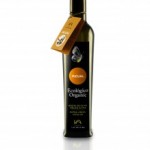
What health benefits does Organic Olive Oil offer? These range from reducing blood glucose levels in diabetics, to providing vitamin E and polyphenols (with antioxidant action), not to mention oleic acid, which is beneficial in reducing the incidence of arteriosclerosis and thrombosis.
In summary, the trend of consuming products with fewer chemical substances has grown exponentially in the last decade, as consumers are increasingly opting for the quality and health and environmental benefits of organic products, despite their sometimes higher price.

